Run your factory without the chaos
All your operations in one system your operators will actually use.

Catalogue
Products, items and properties in one catalogue.
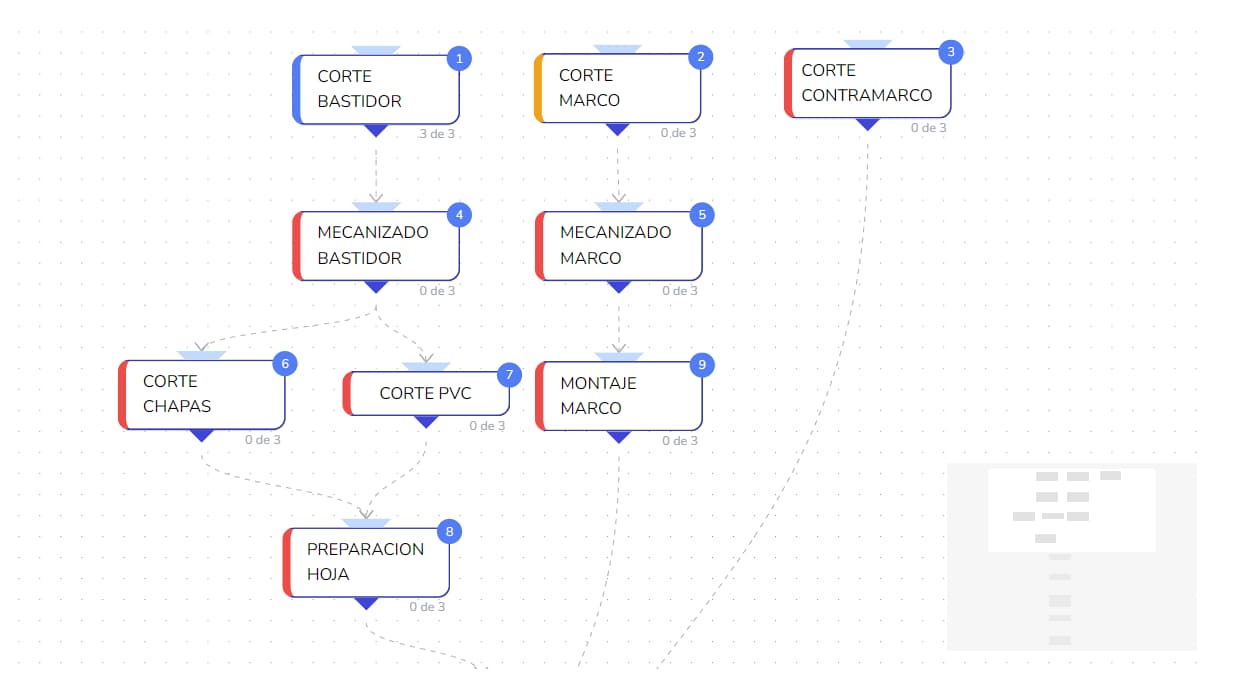
Production
Orders, operations and factory productivity.
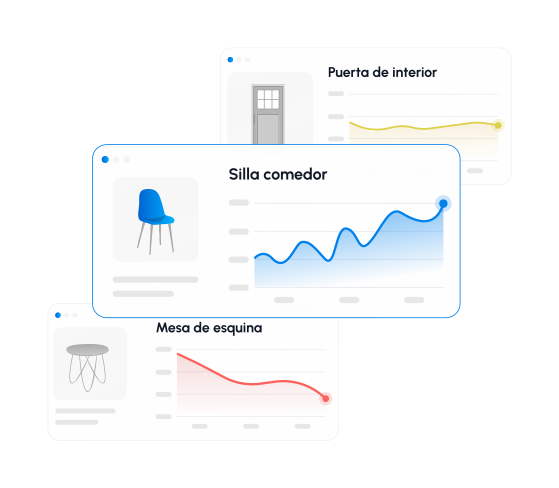
Planning
Purchasing, production and demand forecasts.
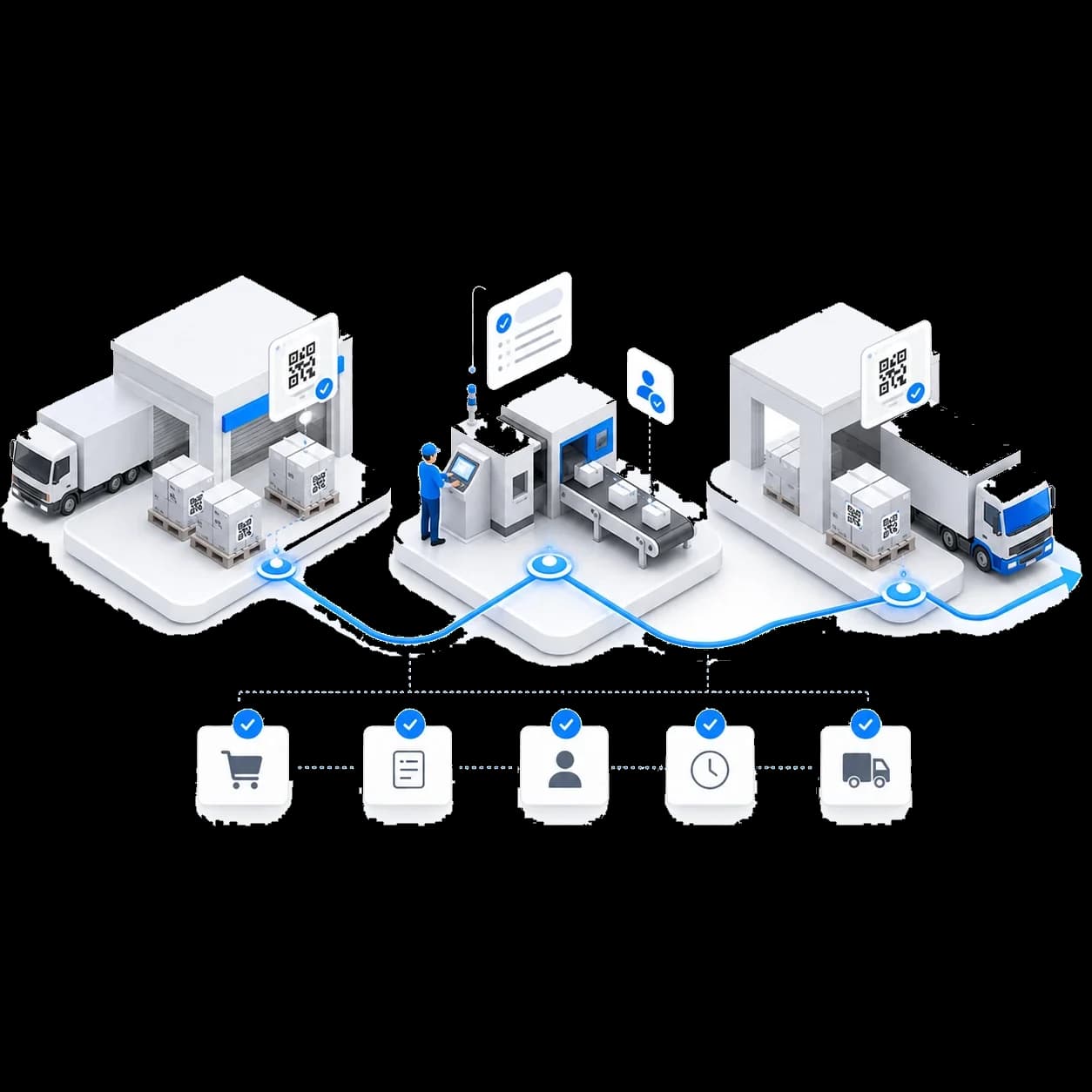
Warehouse
Inventory, incoming goods and order picking.

People
Shifts, holidays and your team's productivity.

Costs
Real-time costs to make better decisions.
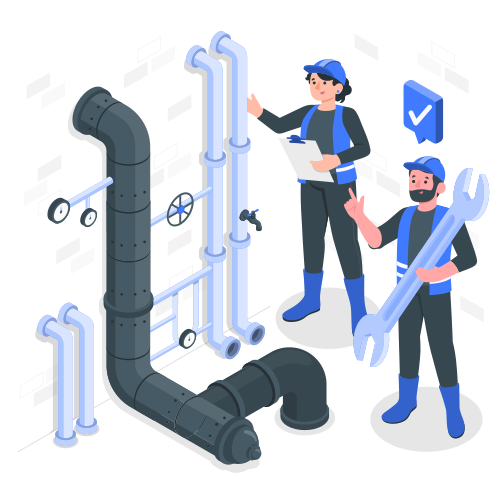
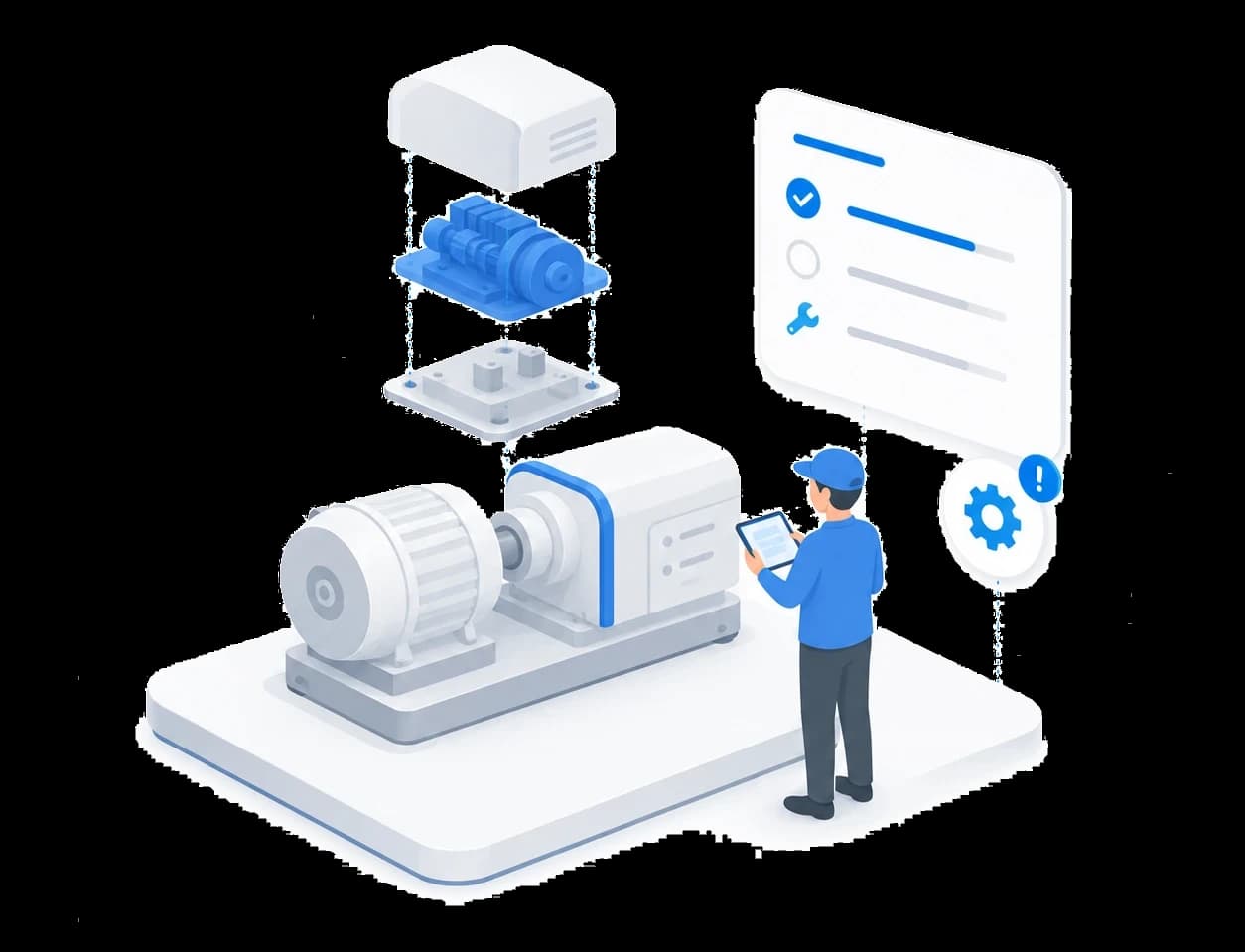
Maintenance
Look after your machines and plan maintenance.

Smart Factory
Automate tasks and find answers with AI.
These companies already have their factory under control




For industrial SMEs
The operating system for the new generation of factories
A connected, adaptable, AI-powered platform to plan, run and improve your entire operation, without the rigidity of traditional industrial software.
One factory. One system.
Production, planning, warehouse and maintenance work with the same real-time information.
Industrial software that feels current.
A fast, visual and intuitive experience for managers, office teams and the shop floor, on any device.
AI applied to operations.
Automate tasks, analyse your data and help your team make better decisions.
Open by design.
Connect your ERP and the rest of your systems through APIs, webhooks and bidirectional integrations.
Adapts to your factory.
Configure processes, variants, rules and controls without relying on costly custom development.
Start where it will have the most impact.
Roll out one line, process or area, then expand the system in phases at your team's pace.
Manufacturing Operations Management (MOM)
Four areas that work as one
Data flows in real time across production, planning, warehousing and maintenance, without unnecessary duplication. Take back control and work with real data from your factory floor.
Compare solutions
A better way to run your factory
Spreadsheets, a traditional ERP, or a patchwork of modules.
Bold is the single platform built for industrial SMEs.
- Strength
- Depends on solution or use
- Limited
 | Traditional ERP |
|---|---|
| Ease of use | |
Strength: An interface built for everyday shop-floor work. | Depends on solution or use: Varies by product and customisation. |
| Stock and traceability | |
Strength: Stock and batches linked to production and purchasing. | Strength: Stock and batches in ERP with warehouse management. |
| Production tracking | |
Strength: Orders, times and progress recorded on the shop floor. | Depends on solution or use: Available through manufacturing modules. |
| Visibility | |
Strength: Real-time view of the whole factory. | Depends on solution or use: A view of the areas and modules implemented. |
| Integration | |
Strength: Open API to connect your software. | Depends on solution or use: APIs and connectors vary by product. |
| Built for SMEs | |
Strength: All-in-one for industrial SMEs. | Strength: Solutions specifically designed for SMEs exist. |
| Price | |
Strength: From €300/month. No lock-in. | Depends on solution or use: Licence and setup costs depend on scope. |
Scope depends on the solution and its modules. For specialist tools, we indicate which type covers each capability.
Frequently asked questions
Take control of your factory.
Leave behind the spreadsheets, the paperwork, and the mismatches. Bring your production, warehouse, and maintenance onto a single cloud platform. One factory, one platform.
- No lock-in
- Up and running in days
- From €300/month
A demo tailored to how your factory operates.