Digitize Production: Leave Paper Behind to Gain Agility

2025-05-15
In many factories, paper is still used to keep track of day-to-day operations. Not because it’s the best option, but because it’s the easiest: anyone can write down on a sheet what came out of a machine or what’s missing from an order. What’s more, many older programs still work the same way: they generate paper reports that someone then has to distribute and fill in.
The problem is that paper is always a snapshot. Once something is written down, it stops being live. If there’s a change, someone has to cross it out, correct it, or print it again. And in production, changes are constant: a machine that stops, an order that gets brought forward, an urgent request that comes up unexpectedly.
What changes with digitalization?
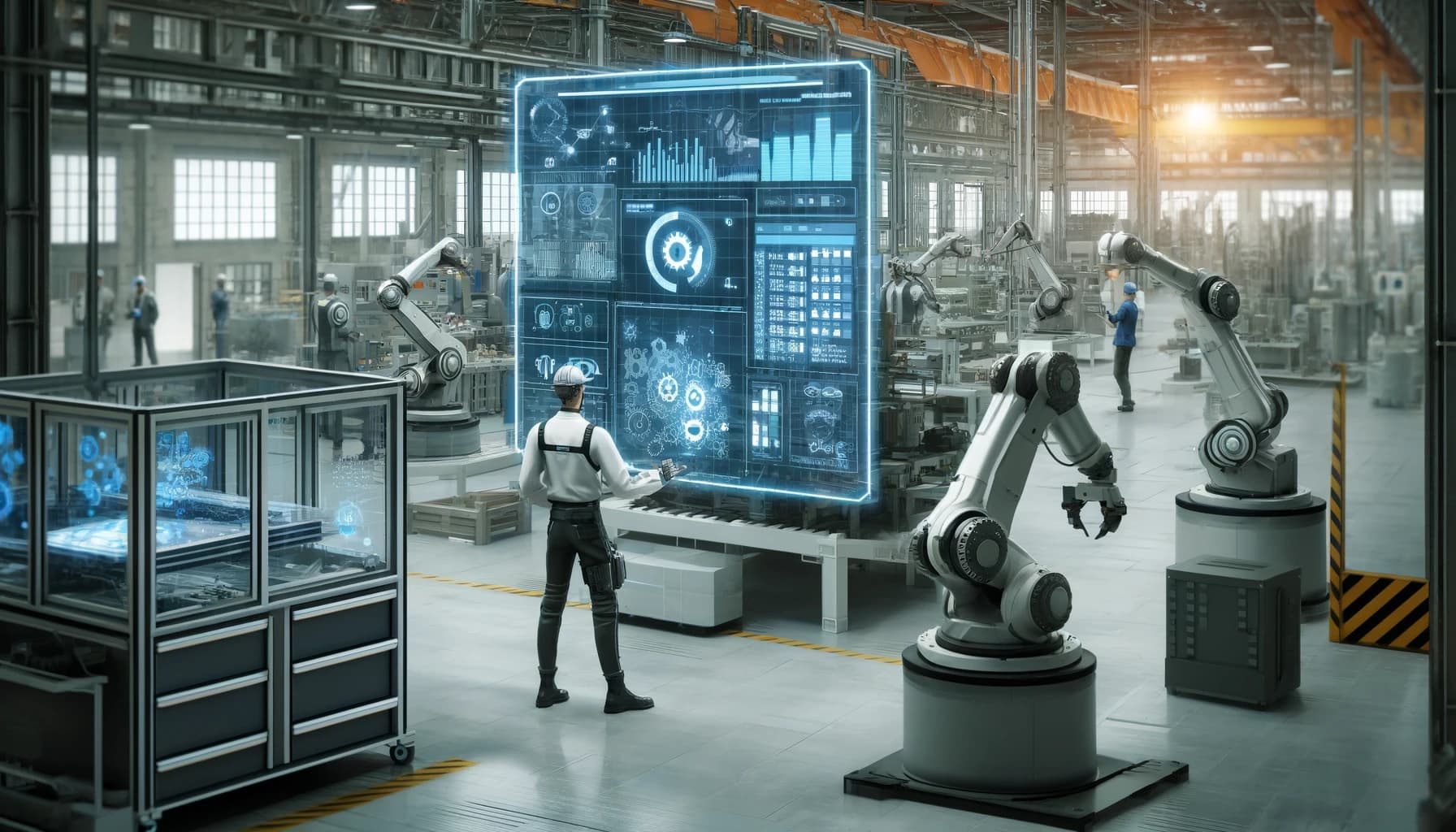
Going digital isn’t just about “less paper.” The important thing is that information updates automatically and in real time. Instead of waiting for someone to transfer data from paper to Excel or communicate it by phone, the data goes straight into the system and is visible instantly.
This has two key advantages:
-
Automatic data capture. Instead of relying on someone to write down a figure correctly, the system collects data directly from the machine or operator with a quick scan. This helps avoid errors and delays.
-
Transmission speed. What happens in one part of the factory is reflected everywhere within seconds. There’s no need to wait for paper or an email to make the rounds. This makes it possible to react in time.
A practical example
Imagine a production line stops because it’s short of raw materials. If everything is on paper, the supervisor might not find out until half an hour later, when someone brings over the sheet. With a digital system, the alert arrives straight away, so a solution can be found before time is lost.
A change in the supervisor’s role, too
With paper, supervisors often spend their time putting out fires: rushing from place to place, giving verbal orders, and solving problems by improvising. With digitized information, that role changes completely. Supervisors no longer need to be everywhere at once. They can oversee operations from a single tool, see what’s happening on each line, and coordinate the team using clear, up-to-date data.
That frees up time for what matters: organizing work better, planning ahead, and making sure the factory runs smoothly.
The real value: making better decisions, faster
When data is centralized and live, it’s easier to make decisions. You can see which orders are at risk, which machines are performing less well, and where staff are needed. Best of all, everyone works with the same information, without duplicates or different versions.
In summary
- Paper is convenient, but slow and prone to errors.
- Digital tools bring speed and accuracy because data is captured and shared in real time.
- The supervisor’s role changes from firefighter to information manager and true plant supervisor.
- The key isn’t “saving paper,” but being able to react to changes in time.
At Bold Factory, we believe digitalization isn’t a luxury; it’s a necessity for any company that wants to improve efficiency and bring more peace of mind to its day-to-day operations. A well-implemented MES eliminates the noise, gives you real visibility, and enables supervisors to make decisions with confidence.
If you still work with paper, the change may seem daunting, but the benefits are noticeable from day one: fewer delays, fewer errors, and more control over what’s happening in the factory.