How to improve production quality with the help of an MES

2025-07-23

In any factory, quality is not just the responsibility of the quality department. If you are a production supervisor, you know that problems tend to arise on the line, with operators, machines, or raw materials. And when failures recur, they usually lead to costs, delays, and unhappy customers.
The good news is that there are ways to involve the team and rely on technology so that quality stops being an occasional problem and becomes part of day-to-day work.
The role of the production supervisor
The supervisor is closest to the real problems. If a batch comes out wrong, a machine starts producing defective parts, or operators do things differently, you are the first to see it. The key is not to wait until the failure reaches the customer, but to detect and correct it in time.
That is where an MES system can make a difference.
How an MES can help you improve quality
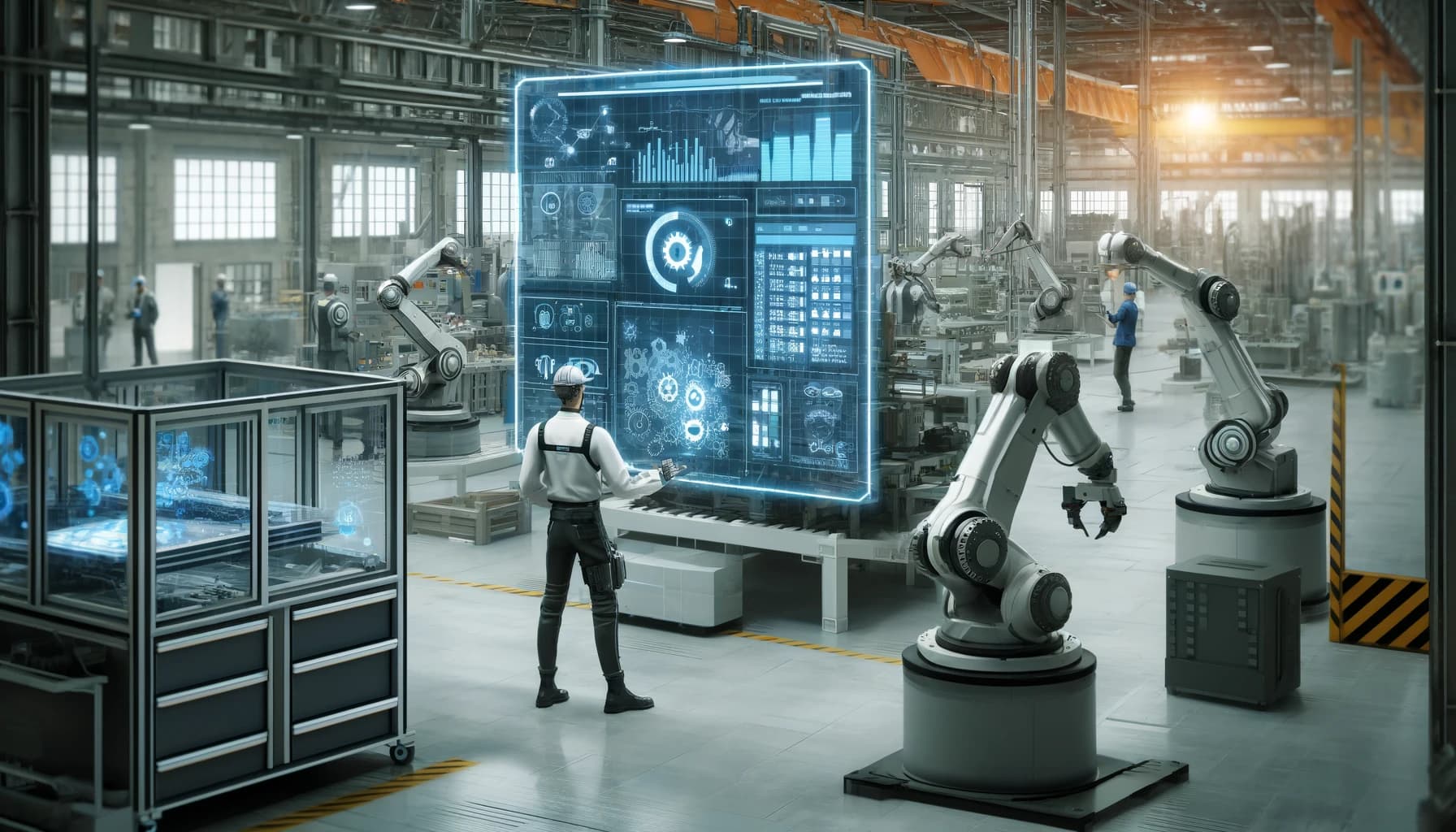
An MES is simply a tool that gives you visibility into what is happening on the plant floor in real time. This means you do not have to wait for someone to tell you about a problem: the system records it, shows it to you, and helps you make a decision.
Involving operators
Quality does not improve simply by adding more checks at the end. Operators need to be part of the process. An MES makes it possible to:
- Let operators easily record incidents or defects when they spot them.
- Show them clear instructions on what to do in each situation.
- Let them know, in the moment, whether what they are producing meets expectations.
When operators take part in inspections, problems are detected earlier and do not have a chance to accumulate.
Detecting failures in real time
If a machine starts deviating from its normal parameters, the MES reflects this immediately. This makes it possible to stop in time, review the cause, and make corrections before an entire defective batch is produced.
Finding the cause of problems
Often, we know there was a failure, but not why. With the automatic data recording performed by the MES (times, materials, shifts, etc.), it is easier to spot patterns and get to the root of the problem. For example, you might discover that a certain defect always appears during a particular shift or with a specific raw material supplier.
Making continuous improvement easier
Every piece of data collected by the MES is useful not only for correcting an individual problem, but also for learning and improving. With that information, you can decide which checks are actually useful, where more training is needed, or what adjustments to make to the process.
Practical tips for production supervisors
- Get operators involved: do not make checks feel like someone else's task. Show them that they are part of their job and that their reports are key.
- Review the data regularly: do not wait until there has been a problem to look at the reports. Review them daily and act quickly.
- Start simple: you do not need to monitor everything from day one. Choose the areas where failures recur most often and start there.
- Share the results: when failures decrease, share that with the team. This reinforces the idea that checks are useful and motivates everyone.
Support for your day-to-day work
An MES does not replace your experience or your team's work. It gives you greater visibility, helps you make decisions, and prevents problems from going unnoticed. Ultimately, it is about everyone working with the same information and a clear objective: delivering products that meet the quality customers expect.
At Bold Factory, we believe that quality is built on the plant floor, with supervisors and operators involved, and that technology should be a practical aid, not a hindrance. If you want to see how an MES can make your work easier and improve quality in your factory, we can show you.